 Xpense
Some of the biggest expenses are not surprises at all. They just arrive once a year, and a single month takes the hit. A sinking fund turns that lump into a small monthly amount.
1. List your irregular expenses
Think through a full year: insurance premiums, school fees, festival spending, annual subscriptions, vehicle service, a holiday, gifts. Write each with its approximate amount and month.
2. Divide by twelve
Add them up and divide by twelve. That monthly figure is what you should set aside so none of those bills ever feels like an emergency.
3. Keep one pot or several
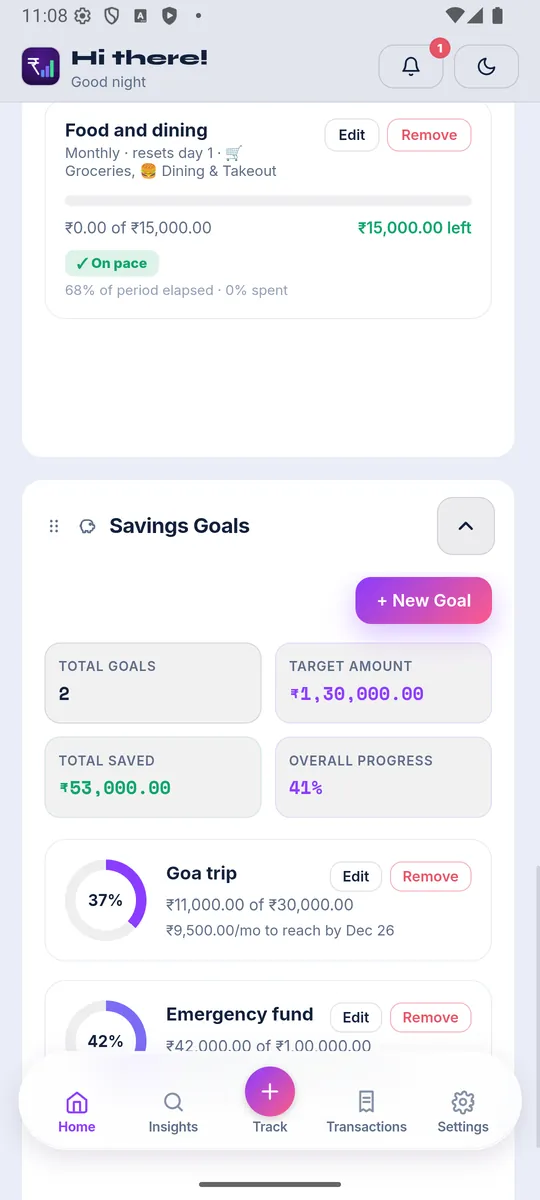
You can hold one combined fund or a separate target for each big item. Separate targets show progress more clearly, but one pot is simpler to run.
4. Pay from the fund, not from the month
When the bill arrives, it comes out of the fund. Your regular monthly budget is untouched, which is the whole point.
5. Top up after surprises
If you overspend from a fund, add a little extra the following month. The plan only works if the fund keeps up with the bills.
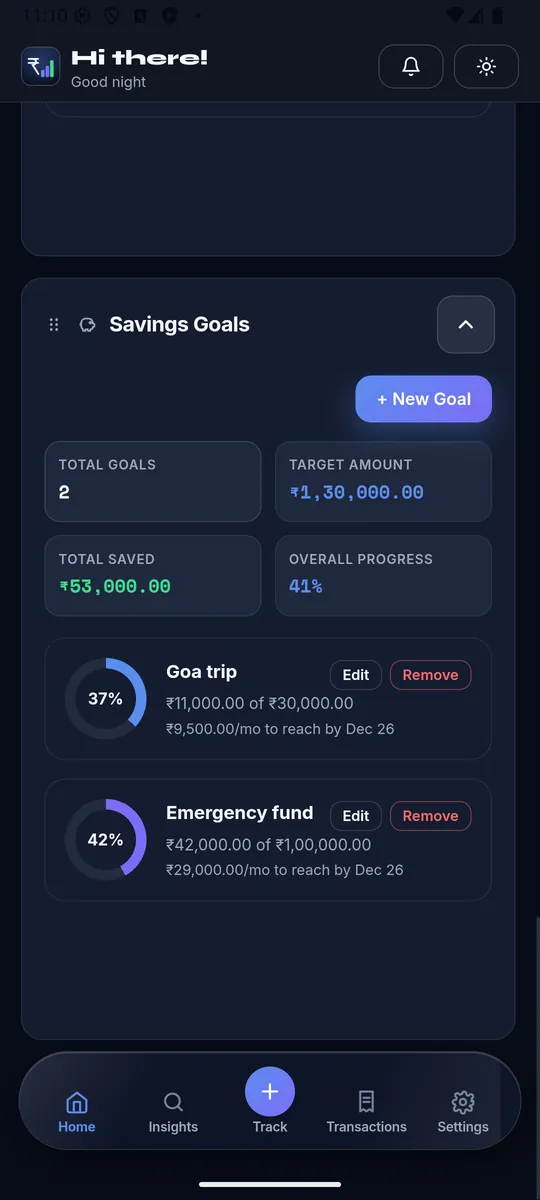
XpenseAI's Savings Goals lets you set a target, track progress toward it, and see how your monthly spending affects how soon you get there. See how it works or get started free.